DURATION
8 weeks
ROLE
UX Research
TOOLS
Google Docs,
Mural,
Canva
The Problem
Roommates from different backgrounds often experience conflicts when living together. Many struggle with clear communication, managing shared chores, and tracking expenses fairly. These ongoing issues can affect their mental well-being and even impact their academic performance. Although these problems are common, there are very few solutions designed specifically to address roommate conflicts.
∙ Key Question
How can a technology-based solution help roommates address their differences, improve communication, and live harmoniously?

Research Approach
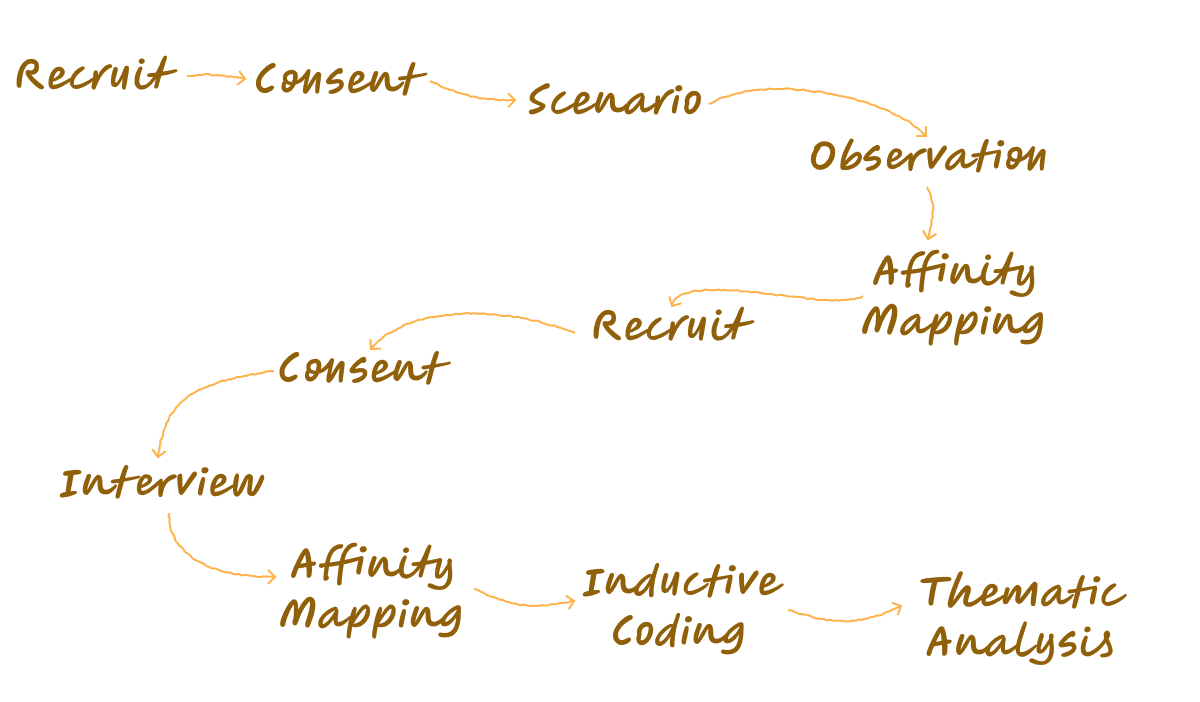
Observations
6 Participants


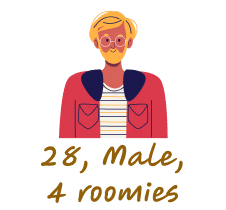


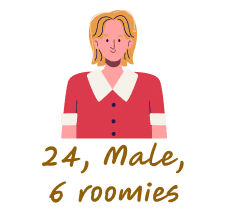
3 Scenarios
#1
“How would you remind your roommate to take the trash out?”
#2
“How would you divide the cost with your roommates?”
#3
“How would you break the ice with your new roommate?”
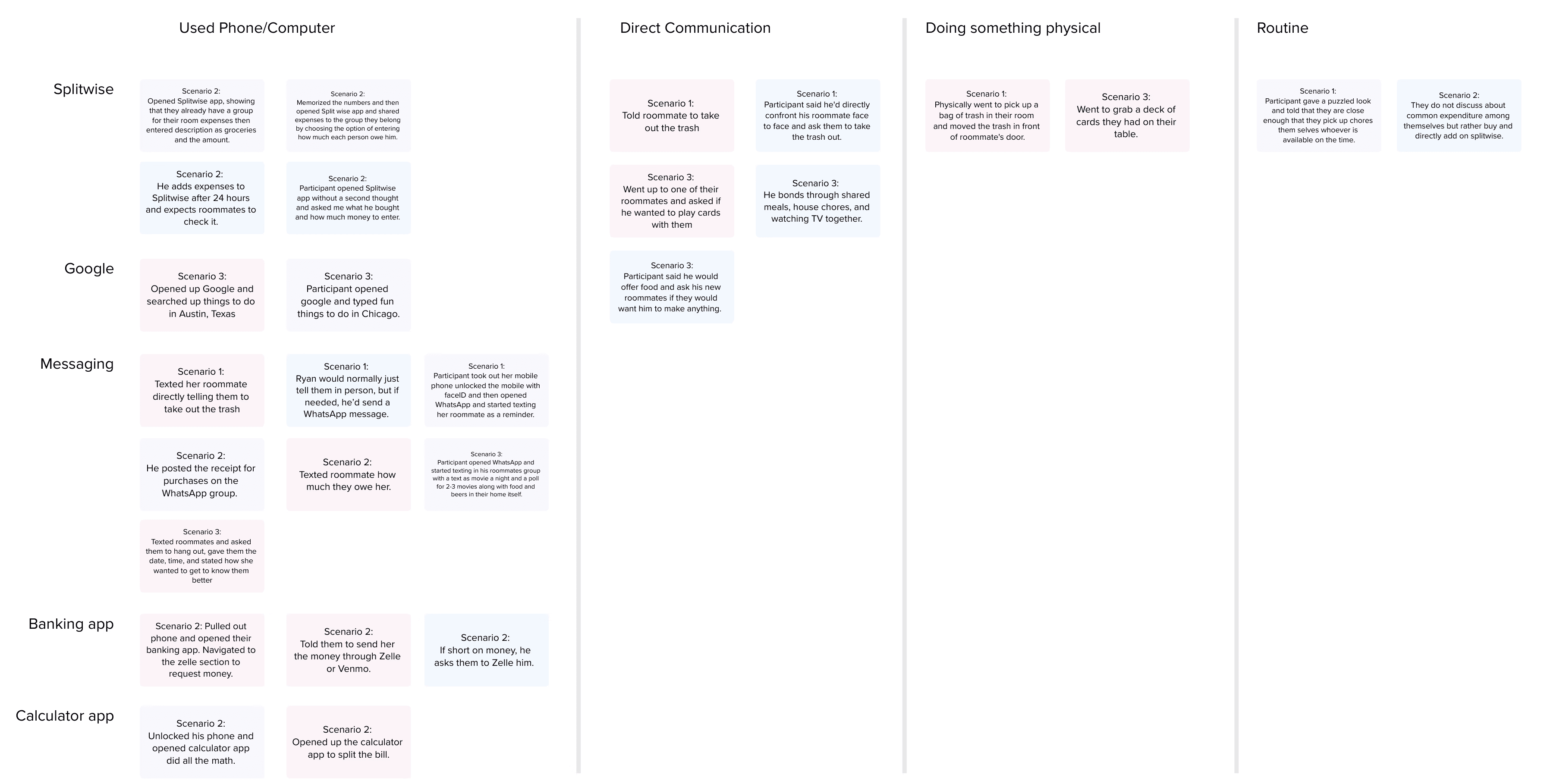
Affinity Mapping
Interviews
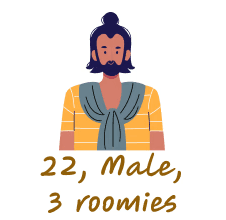
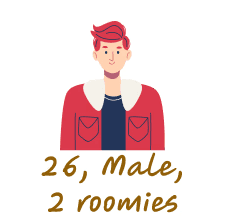
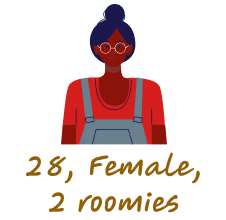
6 Participants



27 Questions
#1
Warm-up Questions
#2
General Issues Questions
#3
Deep Focus Questions
#3
Retrospective Questions
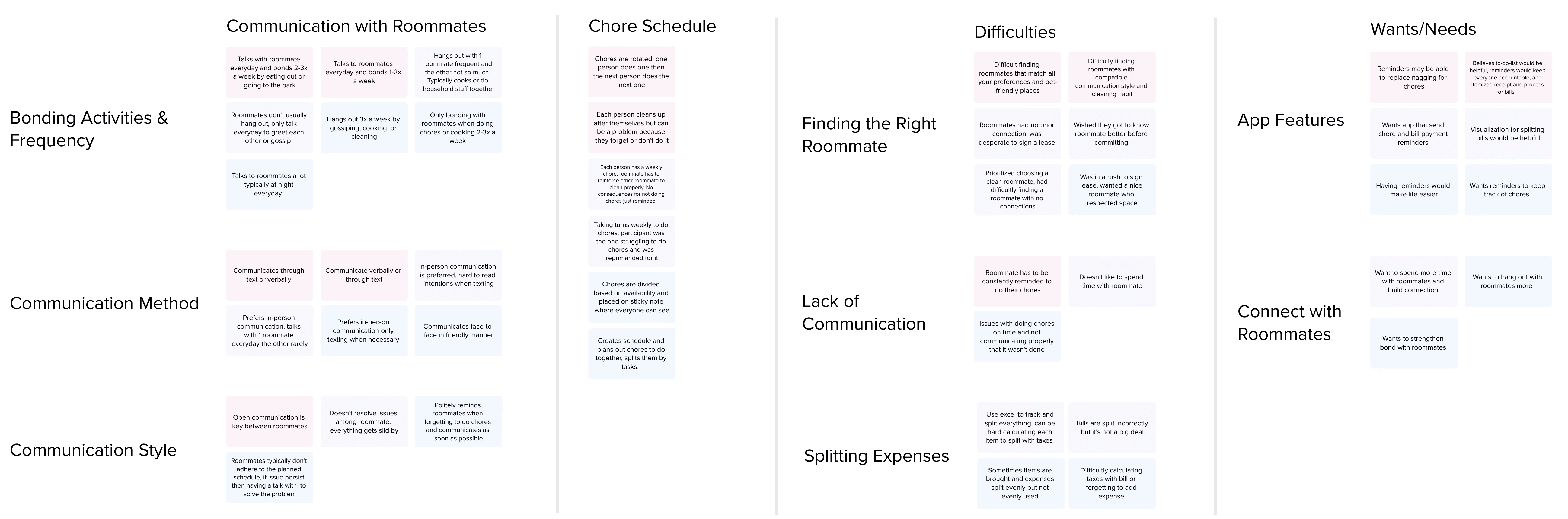
Affinity Mapping
Insights
Insight 1: Communication Styles
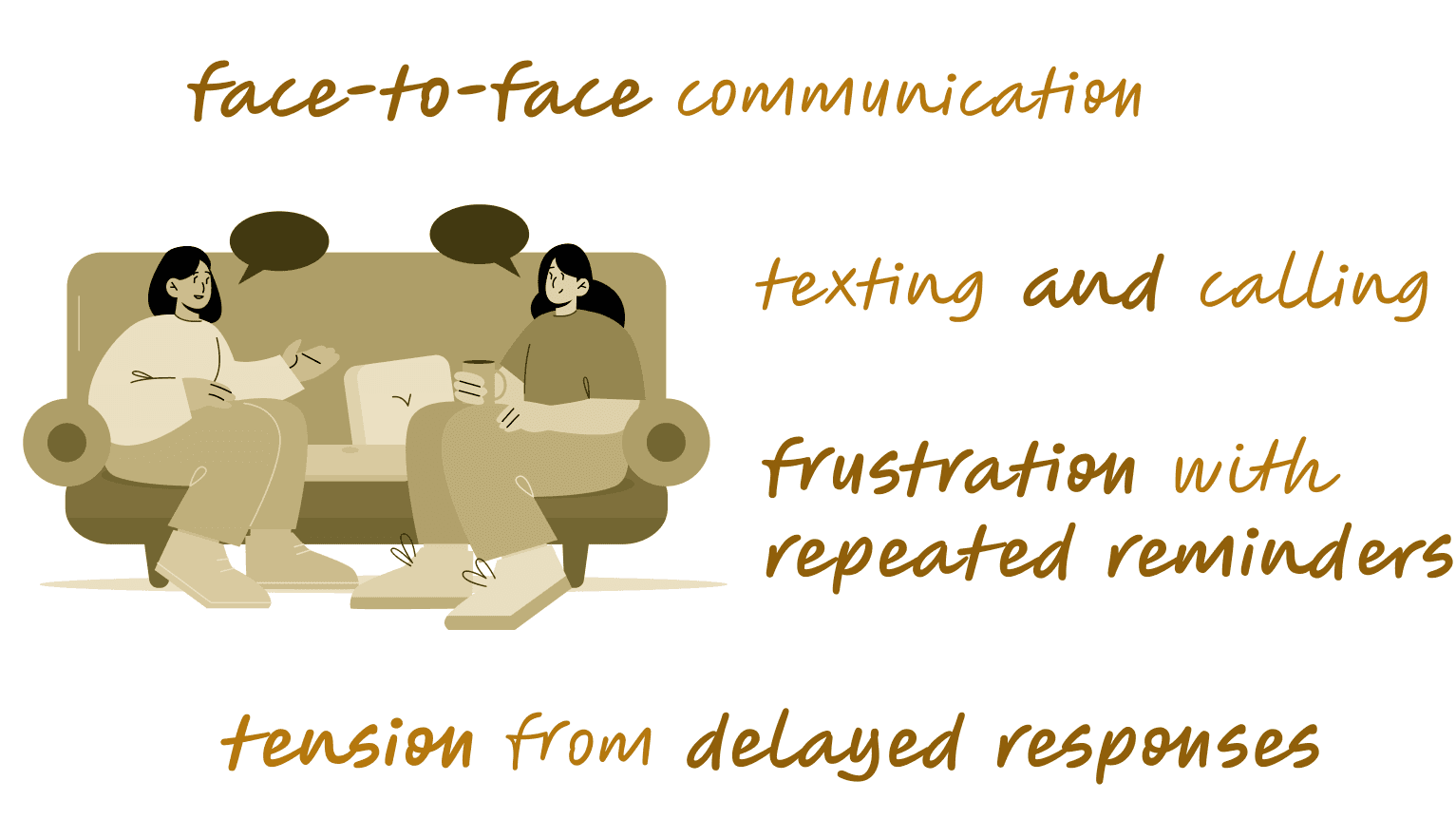
Most participants preferred face-to-face communication when discussing issues with their roommates. They used texting and calling as secondary methods, mainly for quick updates. Daily conversations usually focused on household matters like chores or shared responsibilities. However, repeated reminders often caused frustration. Delayed responses or misunderstandings through messages also created tension between roommates.
Insight 2: Expense Management
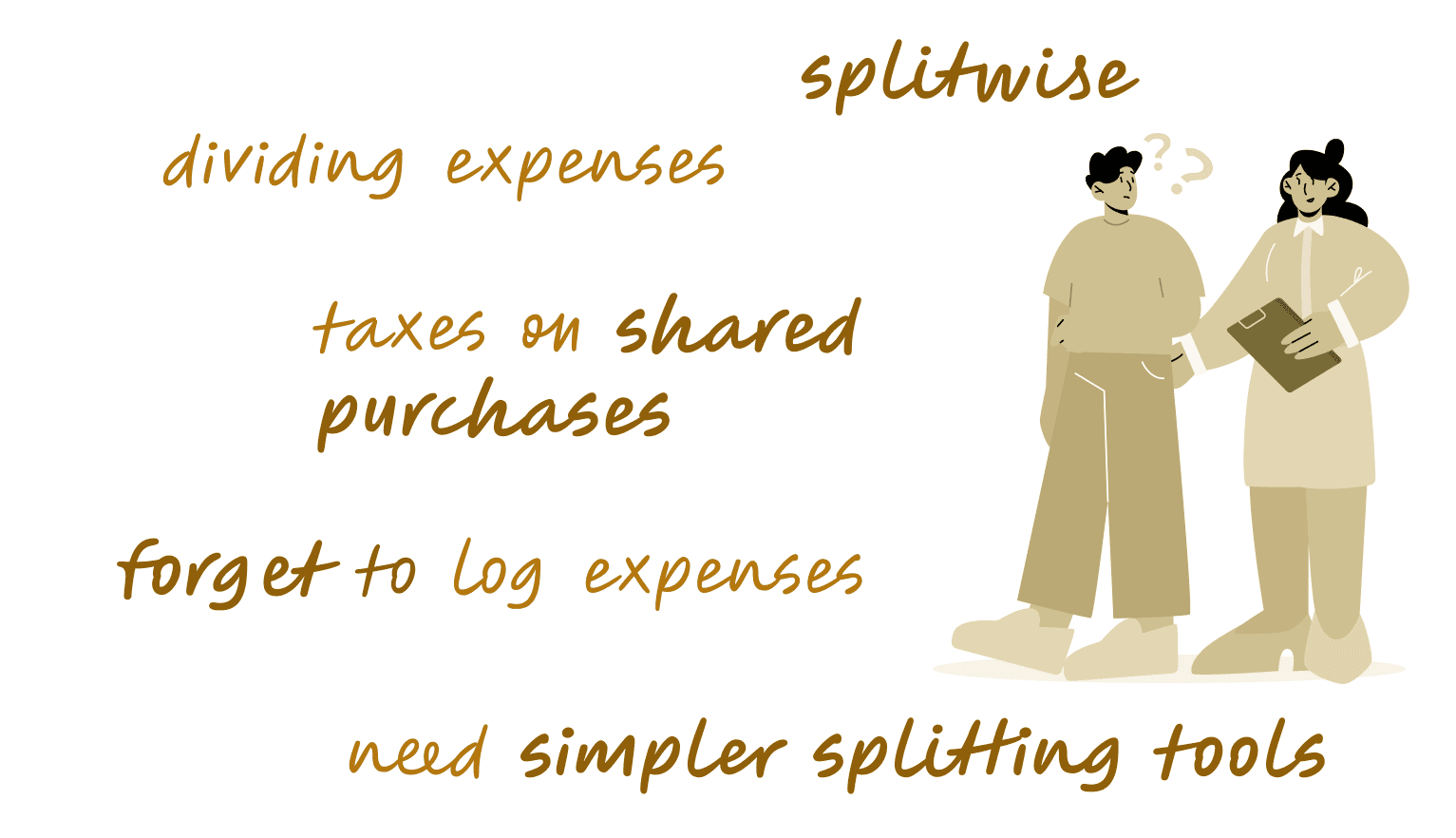
Most participants used Splitwise to track shared expenses. However, they faced several challenges while using it. Dividing irregular expenses was often confusing, and calculating taxes on shared purchases made the process more complicated. Many also forgot to log expenses on time. Overall, there was a clear need for a more automated system with simpler and easier ways to split costs.
Insight 3: Roommate Bonding
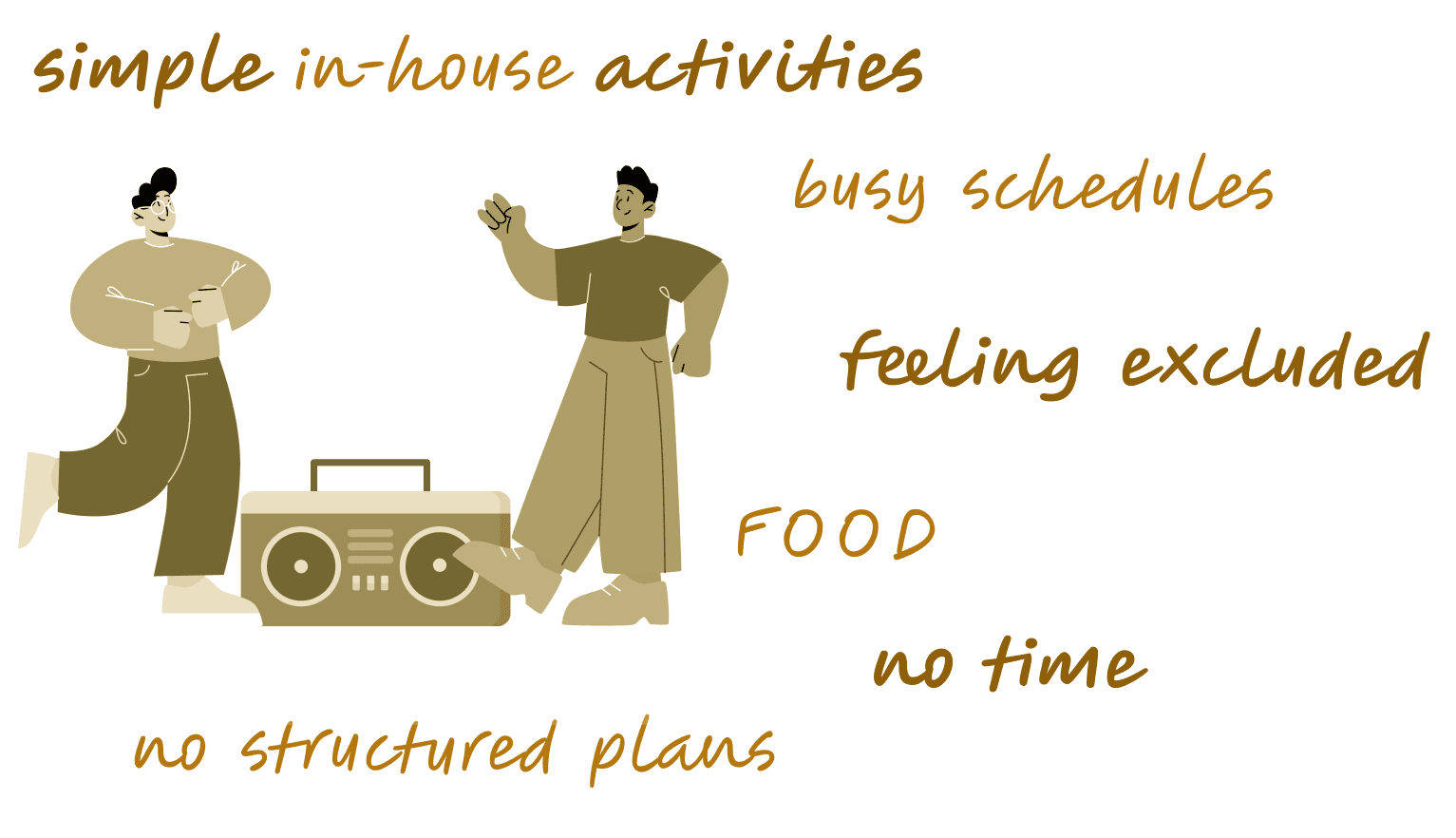
Participants preferred simple in-house activities such as cooking together, cleaning, or having movie nights. Food played an important role in helping them bond and feel connected. However, busy schedules often limited their time to interact. Some also felt excluded when joining roommates who already had established friend groups. Overall, there was a lack of structured opportunities that encouraged roommates to bond regularly.
Visualization
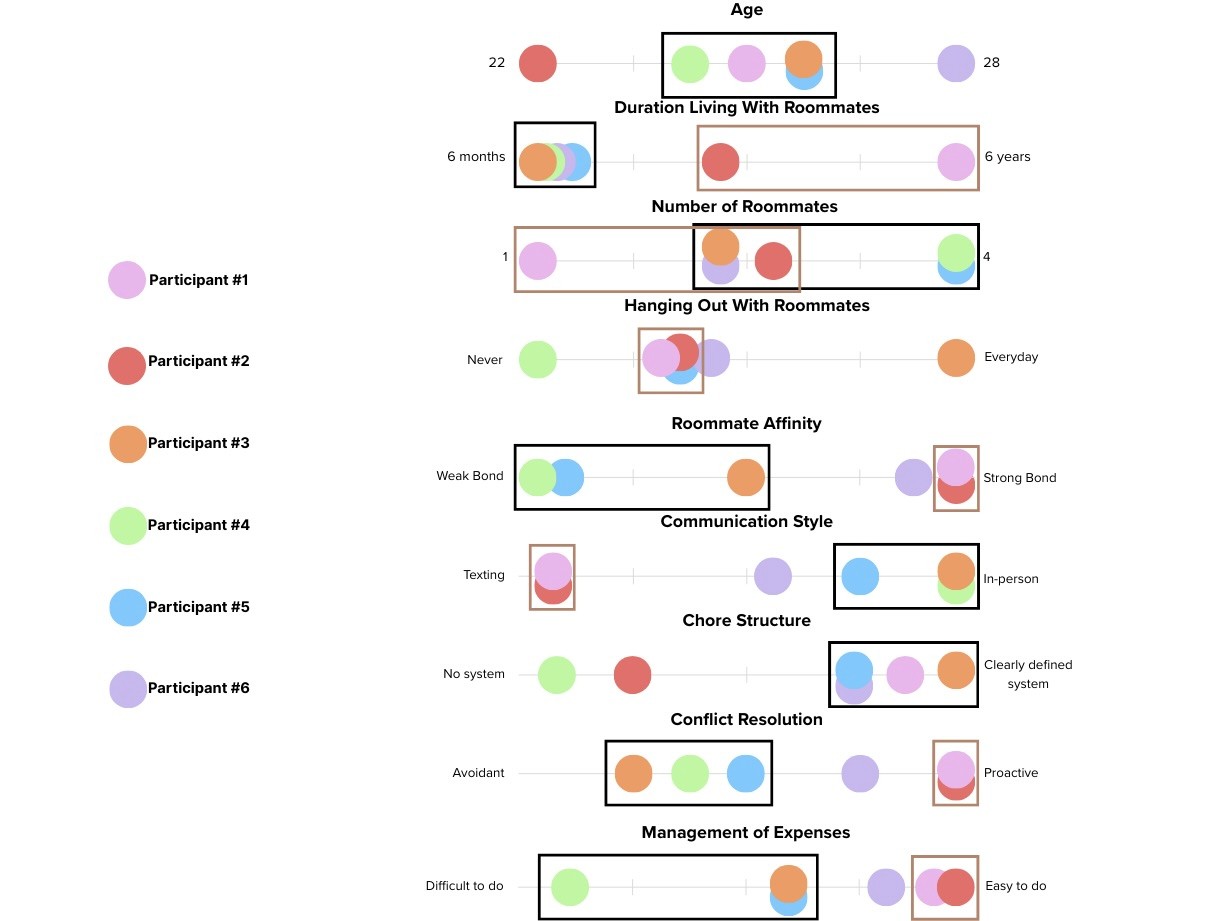
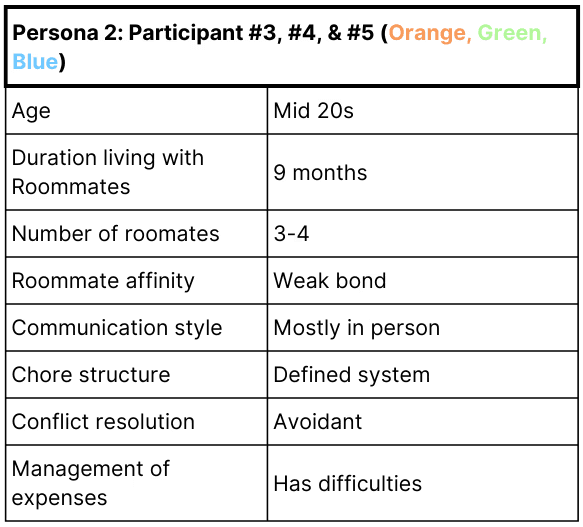
∙ Persona Spectrum
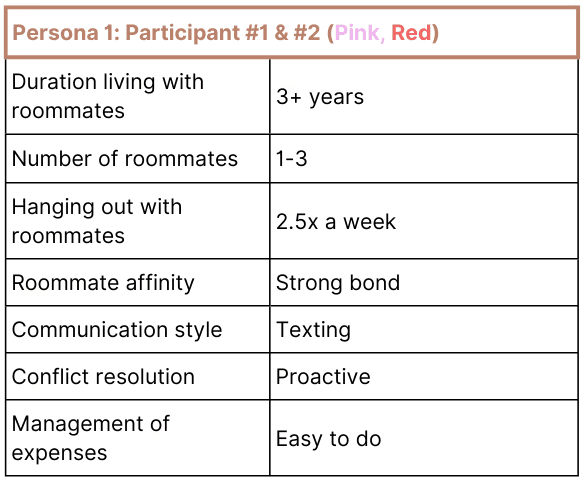
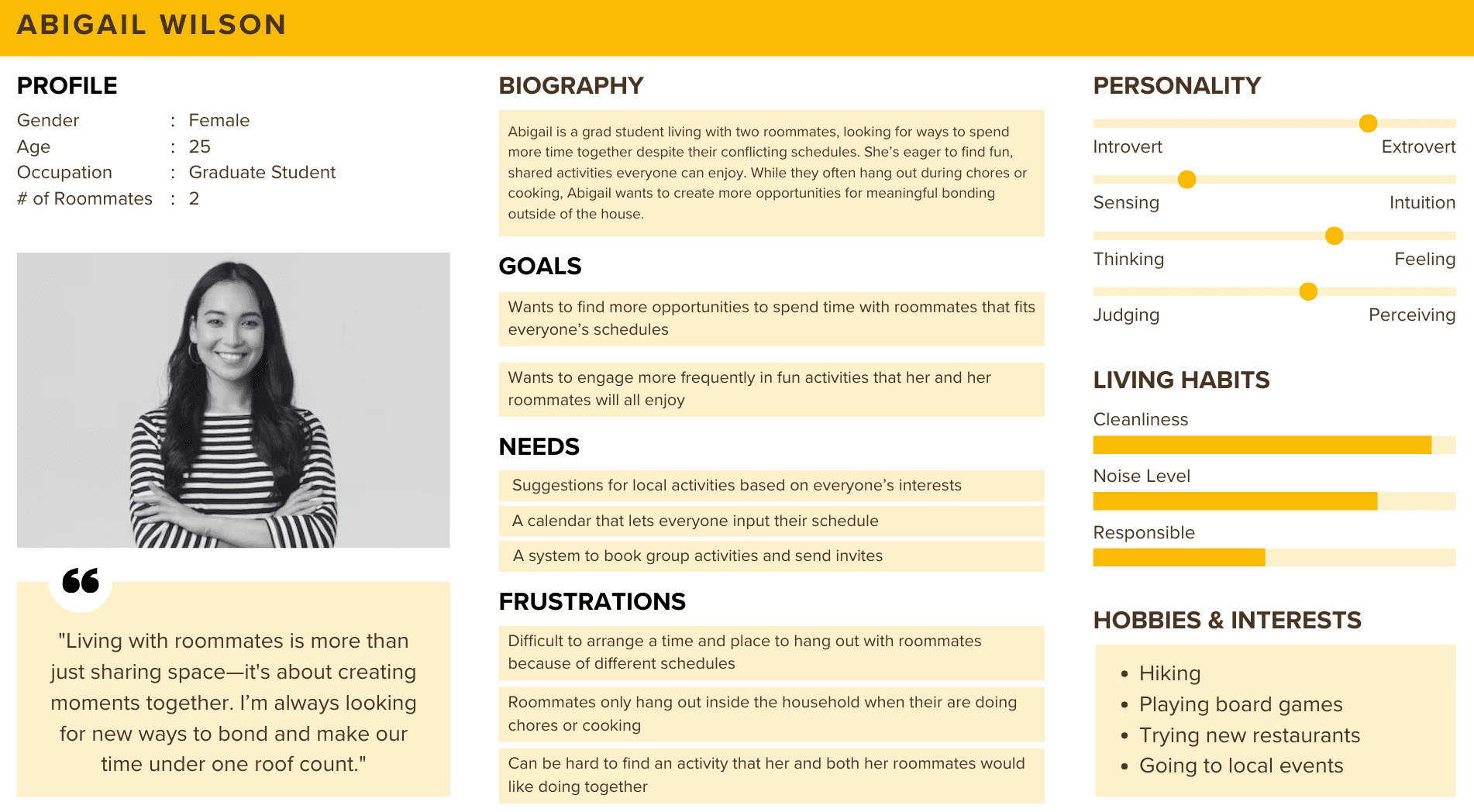
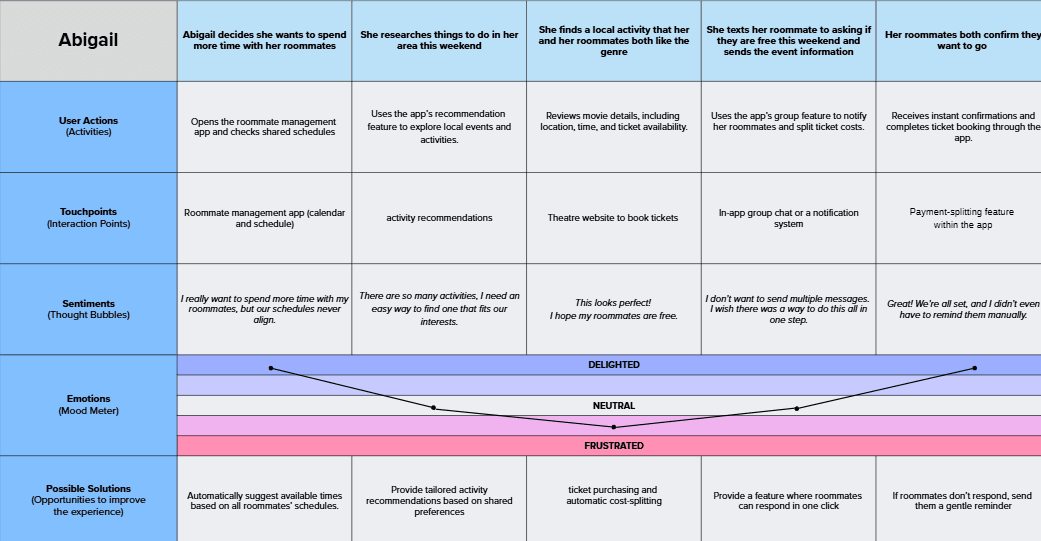
∙ Persona 1: Abigail, The Connection Builder
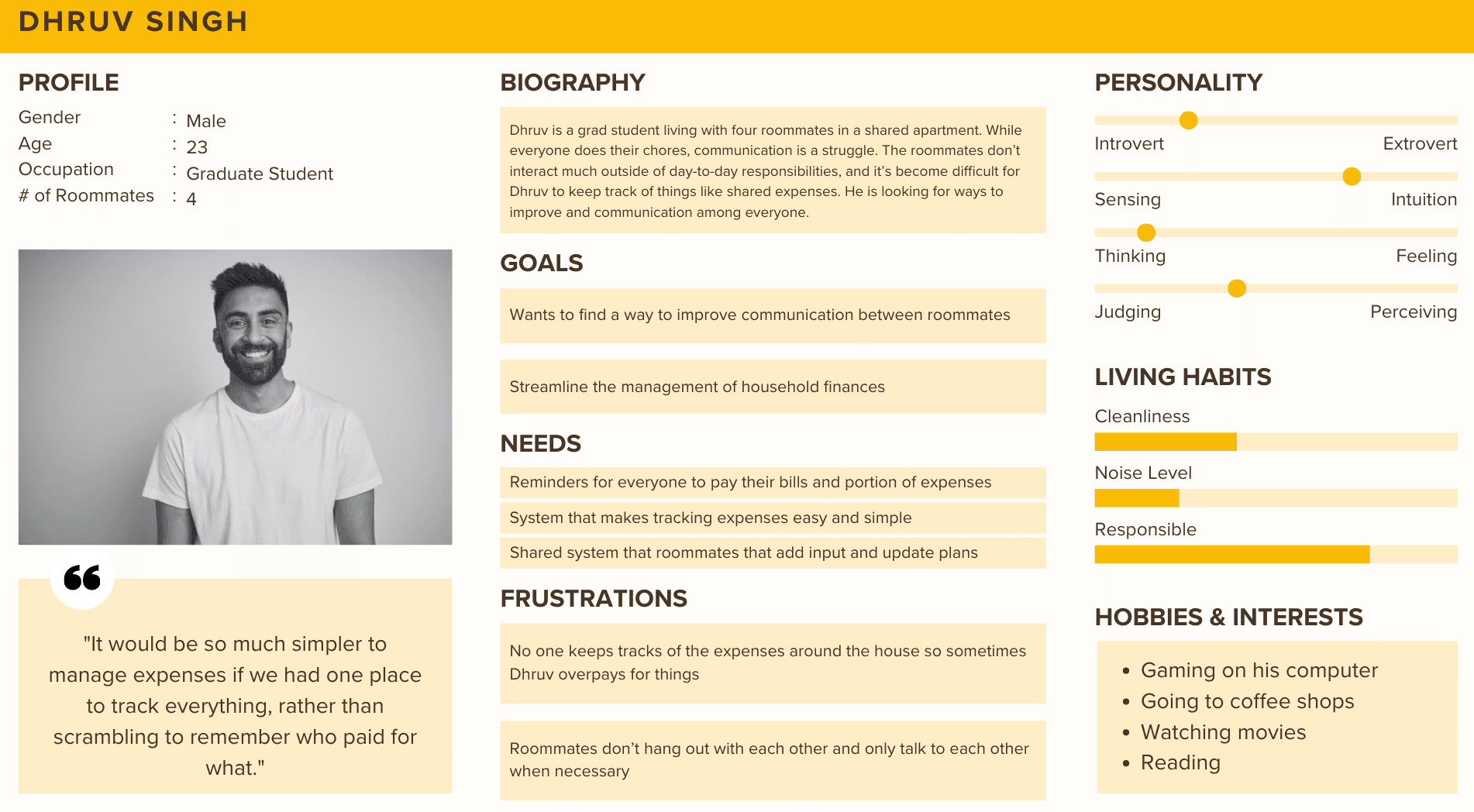
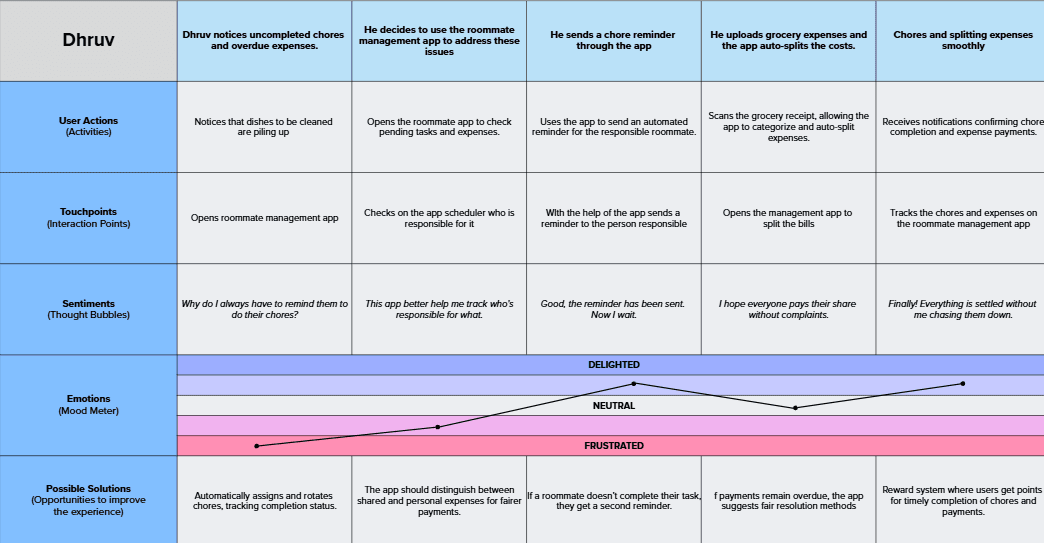
∙ Persona 2: Dhruv, The Harmony Seeker
∙ Journey Map - Abigail
∙ Journey Map - Dhruv
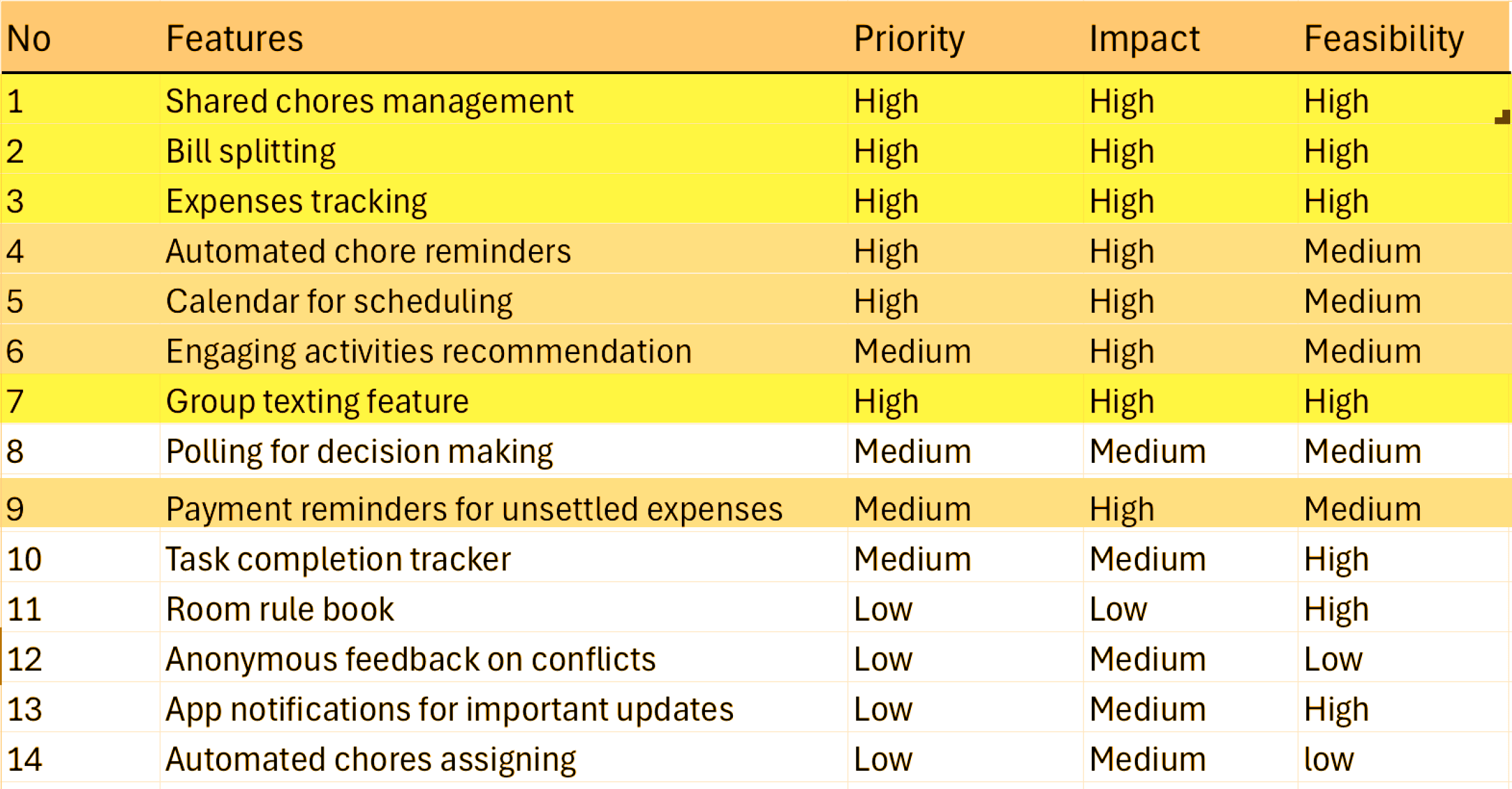
Priority Matrix
High Impact, High Feasibility:
Shared chore management system
Shared expense tracking
Communication platform
High Impact, Medium Feasibility:
Automated chores reminder system
Calendar for scheduling
Activity recommendations
Payment reminders
Design Implications
1. Low-Conflict Communication
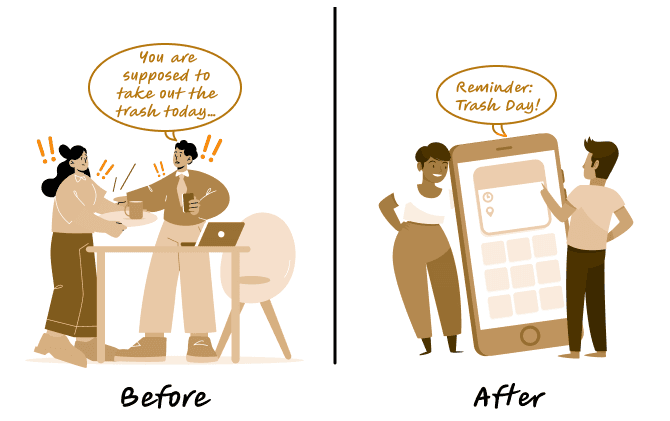
Many participants dislike confrontation but also dislike repeated reminders.
Implication: Introduce structured, non-confrontational tools such as automated reminders and shared task boards.
2. Centralize Coordination
Roommates currently use multiple apps creating friction and cognitive load.
Implication: Design a unified platform that combines communication, expenses, and planning in one system.
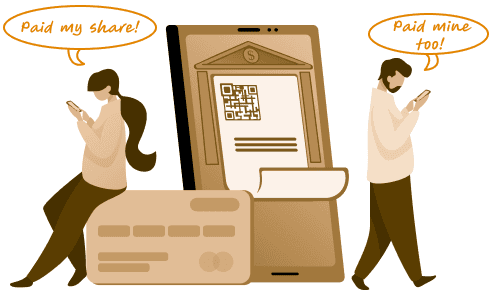
3. Automate Financial Fairness
Manual calculations of tax, irregular expense splitting, and missed entries cause stress.
Implication: Implement receipt scanning, automatic tax calculation, usage-based bill splitting, and payment tracking.
4. Make Accountability Visible
Tension increases when chores are inconsistent.
Implication: Use visual tracking systems like progress bars, clear labels, and shared calendars to increase transparency without verbal policing.
5. Encourage Intentional Bonding
Roommate bonding happens passively and rarely through structured efforts.
Implication: Provide activity prompts, shared interests ideas, and planning tools to help roommates build connection.
Limitations & Future Work
Limitations
Small sample size (12 participants)
Limited age range (22-28)
Self-reported data
Future Work
Larger, more diverse sample
In-depth behavioral studies
Prototype testing with target users